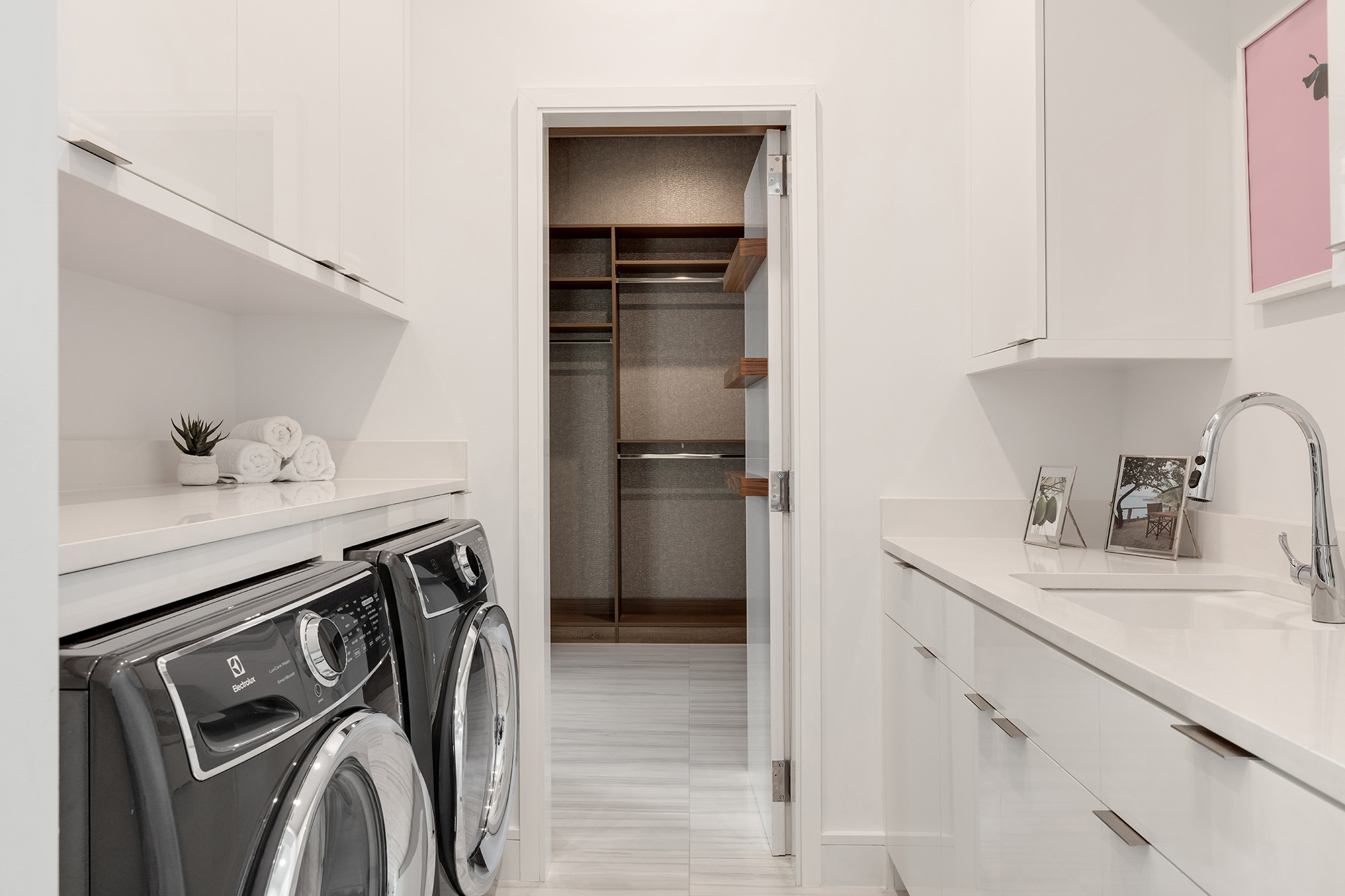
Give the Hardest-Working Rooms in Your Home the Right Foundation
Laundry rooms and mudrooms rarely receive the same attention as kitchens or living rooms, yet they handle some of the most demanding everyday tasks in a home. Wet shoes arrive from outside, laundry baskets move across the floor, cleaning products are stored nearby, and water may occasionally escape from appliances or sinks.
Because these spaces are used for practical tasks, flooring needs to do more than look attractive. It should suit the room's moisture exposure, cleaning routine, traffic level, and installation conditions. Tile can be a useful option when the selected product and complete installation system are appropriate for the application.
For homeowners in Ferndale, Washington, where wet weather can make entry areas especially busy, thoughtful tile selection can help create a space that is easier to maintain while still feeling connected to the rest of the home.
Understand the Difference Between a Mudroom and a Laundry Room
A mudroom is often the first place where outdoor dirt and moisture enter the home. Shoes, boots, umbrellas, pet supplies, and outdoor equipment may all pass through this space. The floor may experience grit, wet footwear, and frequent cleaning.
A laundry room has a different set of demands. Washing machines, utility sinks, detergents, and laundry baskets all influence how the space is used. Water from a leak or overflow can create a more serious concern than ordinary tracked-in moisture.
Some homes combine both functions in one room. In that case, the flooring should be selected with both sets of demands in mind.
Before choosing tile, identify where water is most likely to appear, which areas experience the most foot traffic, and how the room connects to the rest of the house. These details help determine which tile characteristics and installation considerations deserve the most attention.
Choose Tile for the Conditions It Will Experience
Tile comes in different materials, surface finishes, formats, and intended applications. The right product depends on the room's expected traffic, exposure to water, cleaning needs, and the manufacturer's specifications.
A floor tile suitable for a dry interior may not be the best choice for a frequently wet entrance. Surface characteristics matter, especially when people may walk across the floor with wet shoes.
Ask about the tile's recommended application and available information concerning slip resistance. Do not assume that a matte finish or visibly textured surface automatically guarantees appropriate traction.
The tile's dimensions and installation method also matter. Smaller formats may offer flexibility around drains or changes in floor geometry, while larger tiles may create a different visual effect. The best choice depends on the room's dimensions and practical requirements.
Consider Porcelain Tile for Busy Utility Spaces
Porcelain tile is commonly considered for areas where a hard, cleanable surface is desirable. Its suitability for a particular laundry room or mudroom still depends on the exact product, installation, and environmental conditions.
When comparing porcelain products, review the manufacturer's specifications for intended use, water absorption, surface characteristics, and cleaning. Not every porcelain tile has the same finish or provides the same performance underfoot.
The complete installation matters just as much as the tile. The substrate must be suitable, the bonding materials must be appropriate, and the layout should account for transitions and movement requirements where necessary.
If the room includes a floor drain, utility sink, or another feature that affects water management, the installation should be planned around it. Tile alone does not make a room waterproof, and it should not be used to conceal unresolved leaks or moisture problems.
Plan for Wet Shoes and Tracked-In Debris
A mudroom floor should be selected with the way people enter the home in mind. During wet weather, footwear may bring in water, grit, leaves, and other debris.
An entry mat can help remove some of this material before it reaches the wider floor. A convenient place for wet shoes, a boot tray, and storage for umbrellas can further reduce the amount of moisture carried through the house.
Tile should still be selected for the conditions it will encounter. Consider how the surface performs when wet and whether the product is appropriate for the expected traffic.
Grout and cleaning requirements should also be considered. Regularly removing dirt helps keep the floor presentable and reduces the accumulation of debris in joints and corners. Use cleaning products recommended for the tile and grout rather than assuming that any household cleaner is suitable.
Make the Laundry Room Easier to Clean
Laundry rooms often collect lint, dust, detergent residue, and occasional spills. A suitable tile surface can make routine cleaning more straightforward, but the product and grout still require appropriate care.
Consider how easily the floor can be reached beneath appliances and around cabinets. The layout should allow access for routine maintenance without creating unnecessary obstacles.
If a washing machine leaks or a supply hose fails, water can travel beyond the immediate appliance area. Where practical, inspect hoses and connections according to the appliance manufacturer's recommendations and address leaks promptly. Flooring should not be treated as a substitute for sound plumbing and appropriate water management.
Before installation, consider the room's drainage and the location of any utility fixtures. The finished floor should work with the space's practical requirements rather than simply create an attractive surface.
Use Color and Pattern to Make a Utility Space Feel Finished
A laundry room or mudroom does not need to look purely functional. Tile offers opportunities to introduce color, texture, and pattern without sacrificing a practical approach to design.
Warm neutrals can create a calm foundation, while subtle stone-inspired patterns may complement wood cabinets or open shelving. A more distinctive tile can give a mudroom personality, especially when the walls and storage remain relatively simple.
For smaller rooms, consider how the tile's pattern and grout contrast will appear across the available floor area. A bold design may be effective in a defined entry space, while a quieter surface may better suit a compact laundry room filled with cabinets and appliances.
Samples should be compared with the room's lighting, cabinetry, countertops, and adjoining flooring. This helps ensure that the tile feels connected to the rest of the home.
Think About Grout Before the Installation Begins
Grout is an important part of a tile floor's appearance and maintenance requirements. Its color affects how strongly the tile boundaries stand out, while its type and installation influence how the floor performs.
A grout color close to the tile may create a more continuous appearance. A contrasting color can emphasize the layout and make the grid more visible.
The appropriate grout product depends on the tile, joint dimensions, and installation conditions. Ask about cleaning, sealing if applicable, and the manufacturer's maintenance instructions.
In a mudroom where dirt is frequently tracked inside, grout maintenance should be part of the decision. The right combination of tile and grout can make routine care more manageable, but no grout product eliminates the need for cleaning.
Pay Attention to Floor Height and Doorways
Laundry rooms and mudrooms often connect to kitchens, hallways, garages, or exterior entrances. The relationship between these surfaces can affect both appearance and usability.
Tile installation may change the finished floor height depending on the existing substrate, mortar, tile thickness, and any underlayment. Door clearances, appliance placement, thresholds, and adjoining flooring should be evaluated before installation.
If the mudroom opens directly into a hardwood-floored living area, the transition should be designed so that the materials meet cleanly and accommodate their respective installation requirements.
Explore the
hardwood flooring options at Morris Floors & Interiors if you are coordinating tile in a utility area with hardwood in adjacent rooms.
Don't Overlook Subfloor Preparation
A durable tile installation begins with a suitable substrate. The existing floor must be assessed for stability, flatness, cleanliness, and moisture conditions. Damaged or unsuitable areas may require repair or preparation before tile can be installed.
This is especially important in utility rooms, where plumbing leaks or previous water events may have affected the underlying materials. Covering a damaged substrate with tile does not resolve the original problem.
The installation system should follow the tile and material manufacturers' instructions. Mortar selection, tile coverage, grout joints, and movement joints where required all contribute to the result.
If the room has a history of leaks or dampness, investigate the cause before beginning the renovation. Proper preparation helps reduce the risk of avoidable problems after the new floor is in place.
Consider the Room's Layout and Storage Needs
The best flooring choice works with the room's layout. In a laundry room, the floor needs to accommodate appliances, cabinet doors, laundry baskets, and movement around the sink or folding area.
In a mudroom, the arrangement may need to support shoe storage, hooks, benches, and the movement of several people entering the home at once.
Think about where dirt and water are most likely to accumulate. The floor should be easy to access for cleaning, and storage should not prevent inspection of areas where leaks or moisture problems could develop.
If the renovation includes new cabinetry or built-in storage, coordinate those decisions with the tile layout. Planning the elements together can help avoid awkward cuts and make the finished space feel more intentional.
Keep Long-Term Maintenance in Mind
Tile can be a practical flooring choice, but it still needs regular care. Remove loose dirt and debris, clean spills promptly, and use products appropriate for the selected tile and grout.
The maintenance routine depends on the product's surface and the installation materials. Some finishes may show water spots or residue more readily than others, while textured surfaces may require different cleaning techniques.
Follow the manufacturer's instructions and avoid harsh products unless they are approved for the specific installation. Keeping the tile and grout product information can make future maintenance decisions easier.
Periodically check the room for signs of plumbing leaks, loose grout, or other changes that may require attention. Early investigation can help distinguish routine maintenance from a more substantial repair.
Choose Tile That Supports Everyday Life
A well-planned laundry room or mudroom combines practical flooring with a layout that makes daily routines easier. The right tile should suit the expected moisture exposure, cleaning needs, traffic level, and installation conditions, while its color and pattern should complement the home.
For Ferndale homeowners, planning for wet footwear and moisture-prone utility areas can be especially important. Proper substrate preparation, appropriate material selection, and attention to transitions help create a floor that is both functional and visually cohesive.
Explore the
tile flooring selection at Morris Floors & Interiors to compare options for your project. To discuss the space, its requirements, and your design goals, visit the
contact page.
A thoughtfully selected tile floor can help turn an overlooked utility room into a more organized, attractive, and practical part of the home.