

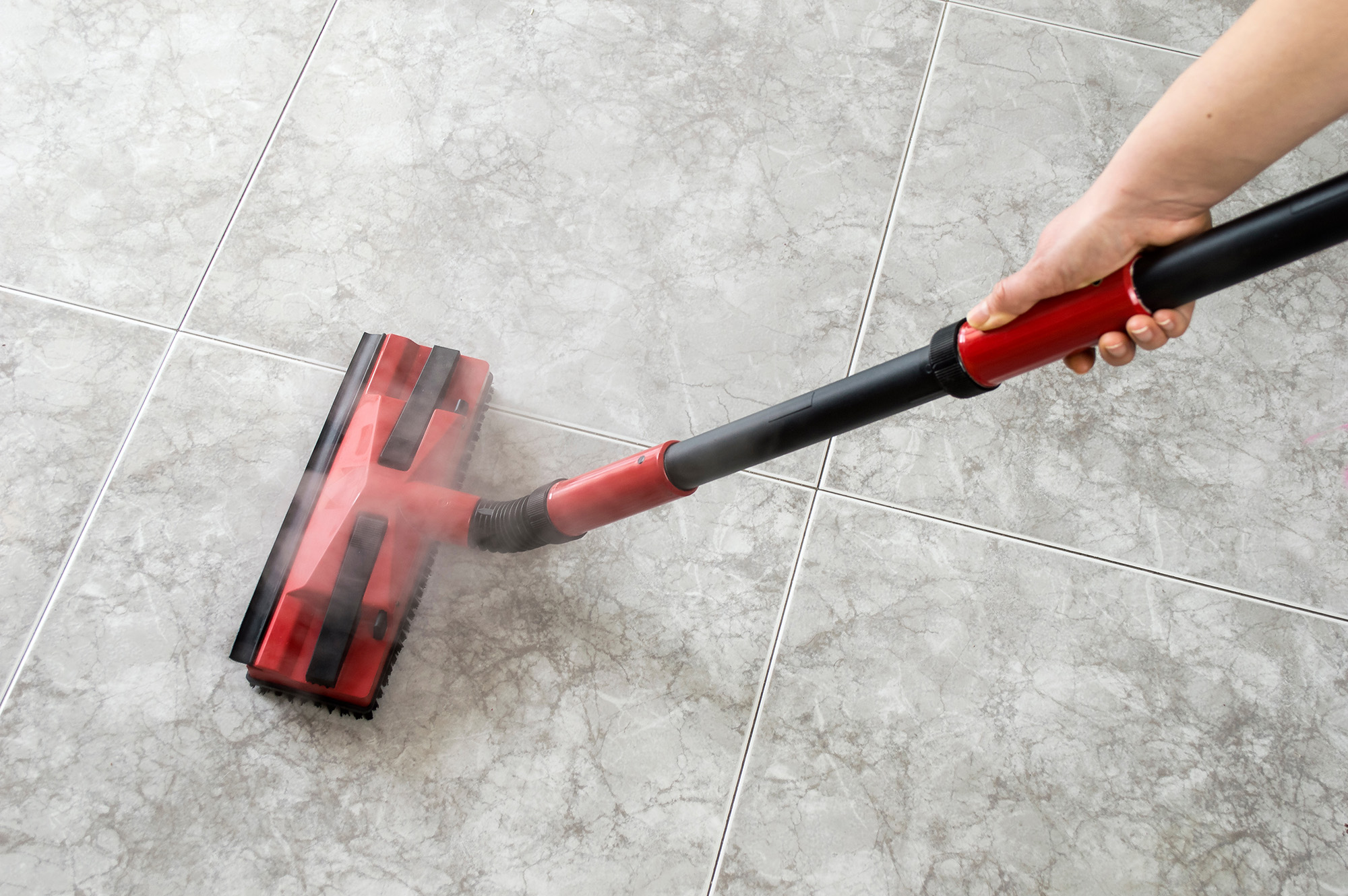
When planning a tile flooring project, most homeowners focus on color and style—but tile size plays a much bigger role in both installation cost and long-term performance than many expect. At Morris Floors & Interiors, we help homeowners understand how these choices impact budgeting, durability, and overall design success.
How Tile Size Impacts Installation Complexity
One of the biggest factors in installation cost is how much labor is required to lay the tile correctly. Homeowners searching for tile flooring near me are often surprised to learn that smaller tiles typically require more labor due to increased grout lines and layout precision.
Smaller tiles can be ideal for detailed spaces like tile flooring for bathrooms, where slopes and drains require more cutting and fitting.
However, this precision work can increase installation time and overall cost.
In contrast, larger tiles often cover more surface area quickly, reducing installation time. This makes them popular for tile flooring in modern homes where clean, minimal grout lines are preferred.
Material Waste and Cutting Requirements
Tile size also affects material waste. Larger tiles may require more precise cutting, especially in irregular spaces like tile flooring for entryways, where corners and thresholds often require custom shaping.
Smaller tiles, while easier to fit into tight areas, can generate more grout and require more alignment work. These factors all contribute to the final installation budget for tile flooring installation in my area projects.
Durability and Long-Term Performance
When it comes to durability, tile size alone does not determine longevity—but it does influence how the floor handles movement and stress over time.
Larger tiles have fewer grout lines, which can reduce potential weak points. However, they require a perfectly level subfloor to prevent cracking or lippage. This is especially important in tile flooring in kitchens, where heavy appliances and frequent use put added stress on the surface.
Smaller tiles, on the other hand, offer more flexibility and can better accommodate slight subfloor imperfections, making them a strong choice for older homes or uneven surfaces.
Choosing the Right Tile Size for Each Space
The best tile size depends on both function and design goals. Bathrooms often benefit from smaller, more adaptable layouts, while open living spaces and kitchens tend to favor larger, more seamless designs.
In tile flooring in modern homes, many homeowners combine sizes strategically—using large-format tile in main areas and smaller tile for detailed spaces.
A Smart Balance of Cost and Design
Tile size is not just a design choice—it directly affects labor, installation time, and long-term performance. Understanding these trade-offs helps homeowners make smarter decisions and avoid unexpected costs.
Explore premium options for tile flooring to compare styles, sizes, and finishes for your home.
At Morris Floors & Interiors, we help homeowners choose tile solutions that balance beauty, durability, and installation efficiency. Ready to start your project? send us an inquiry today and let our team guide your renovation.
We proudly serve Ferndale, Washington.


