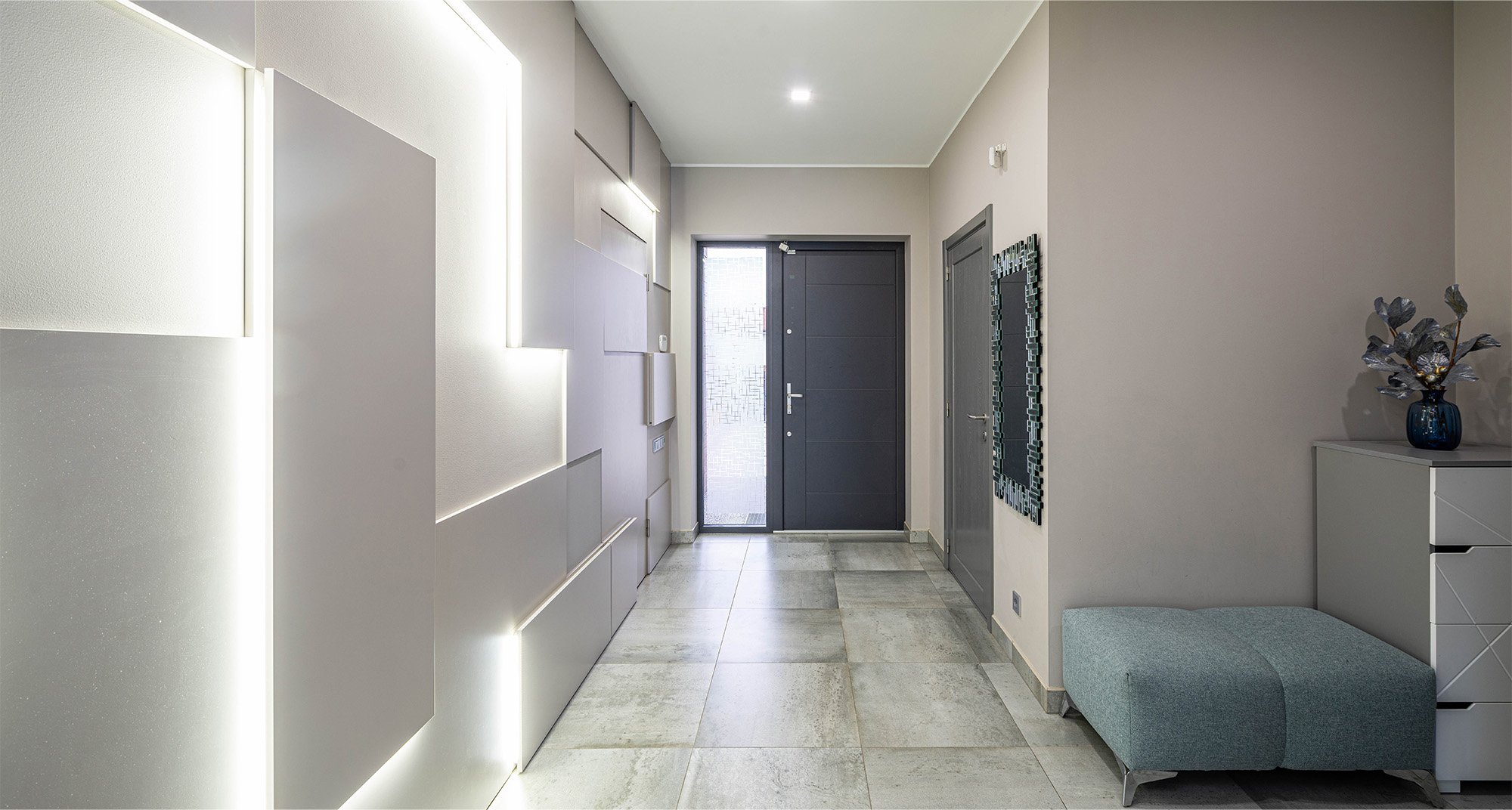
Let the Floor Become Part of the Room's Personality
Flooring does not always have to fade into the background. In the right setting, patterned tile can become a defining feature of a room, bringing geometry, movement, and character to an otherwise simple interior. It can introduce a decorative element without relying on bold wallpaper, elaborate furniture, or a large collection of accessories.
The challenge is knowing how to use pattern without making a room feel crowded. Tile already covers a substantial visual area, so its design should relate to the walls, cabinets, fixtures, lighting, and furnishings around it.
For homeowners in Ferndale, Washington, patterned tile can work in a range of interiors, from a traditional entryway to a contemporary powder room or a carefully designed kitchen feature. The most effective result comes from choosing a pattern that suits the room's proportions and giving it enough space to make an impression.
Choose the Right Room for a Statement Floor
Patterned tile does not need to cover every room to have an impact. In many homes, a smaller area provides the ideal opportunity to introduce a distinctive design.
An entryway can establish the home's character as soon as someone walks through the door. A powder room offers a contained setting where a more expressive pattern can be used without competing with large adjoining spaces. A kitchen floor may provide a decorative foundation when the cabinetry and countertops remain relatively simple.
Consider how the room connects to nearby areas. A strong pattern may be easier to appreciate in a defined space than across a large, uninterrupted floor plan. In an open-concept home, it may be better to use patterned tile in a specific zone and choose a quieter material for the surrounding rooms.
The right location allows the design to feel intentional rather than overwhelming.
Understand the Difference Between Pattern and Visual Clutter
A patterned tile floor can contain strong geometric shapes, repeated motifs, contrasting colors, or subtle variations in tone. These elements create visual movement, but the effect depends on how they are combined.
A simple pattern with two closely related colors may feel understated even when the geometry is distinctive. A tile with several contrasting colors and a complex motif will usually attract more attention.
Neither approach is inherently better. The important question is what else is happening in the room. If the cabinetry, backsplash, countertops, and wall treatments already feature strong patterns, a highly decorative floor may create too much competition.
If the rest of the interior is relatively restrained, the floor can carry more of the design's personality. This creates a natural hierarchy in which one feature stands out while the remaining elements support it.
Use Color to Control the Impact
Color is one of the easiest ways to adjust how dramatic a patterned tile floor feels. Black and white can create a crisp, graphic appearance, while beige, cream, and warm gray may produce a softer result.
Muted greens, blues, terracotta tones, and other earthy colors can introduce personality without necessarily creating a high-contrast design. The suitability of these colors depends on the room's lighting, the surrounding finishes, and the atmosphere you want to achieve.
Before selecting a pattern, identify the colors that will remain in the space. Consider cabinets, countertops, paint, furniture, and any adjoining flooring. A patterned tile does not need to match every finish, but its colors should relate to the broader palette.
Bring several samples together and view them under the room's lighting. A color that appears subdued in a showroom may become more prominent across a larger installed surface.
Scale the Pattern to the Room
The size of the tile motif can influence how a floor appears. Large, bold shapes may create a dramatic effect in a spacious entryway, while a smaller repeating design may be more appropriate for a compact room.
However, small rooms do not automatically require small patterns. A large, clearly defined motif can sometimes make a compact space feel deliberate and distinctive, while a very intricate pattern may create a busier impression.
The surrounding architecture matters as well. Doorways, narrow passages, cabinets, and fixed fixtures may interrupt the pattern or affect how it is perceived.
Ask to see multiple tiles together and, where possible, review a larger sample arrangement. A single tile does not reveal how the pattern will repeat across the floor or how its colors will interact at the room's scale.
Let Simple Materials Balance a Decorative Floor
One of the most effective ways to use patterned tile is to combine it with quieter surfaces. Plain walls, understated cabinetry, simple hardware, and restrained countertops can allow the floor to become the room's main decorative feature.
In a kitchen, for example, a patterned floor may work well with cabinets in a solid color and a backsplash that does not compete with the motif. In a powder room, the floor may provide the primary visual interest while the walls and fixtures remain relatively simple.
This does not mean every other element must be plain. Small details can repeat colors or shapes from the tile, creating a connection between the floor and the rest of the interior.
The goal is balance. When one feature carries most of the visual energy, the room often feels more considered than when every surface tries to stand out.
Consider How the Pattern Meets Walls and Fixed Features
Patterned tile requires careful layout planning because the design is visible across the entire surface. Cuts around doorways, cabinets, and walls may affect the way the pattern appears.
A layout that begins without a clear plan can leave narrow pieces or awkwardly positioned motifs in prominent locations. Centering the pattern may work in some rooms, while aligning it with a doorway or major architectural feature may create a better result elsewhere.
The room's dimensions and the tile's repeat pattern should be considered together. A decorative motif may look balanced in the center of the room but become visually uneven near the edges if the layout is not planned carefully.
Discuss the proposed arrangement before installation. The objective is not necessarily to eliminate every cut, which may be impractical, but to create a balanced composition that works with the room.
Think About Grout as Part of the Pattern
Grout influences how the tile design reads once installed. A grout color close to the tile's background can create a more continuous appearance, while a contrasting grout may emphasize individual tile boundaries.
For a highly decorative pattern, a coordinated grout color can help prevent the floor from looking too fragmented. For a geometric design that relies on clear boundaries, a more contrasting grout may reinforce the effect.
The grout joint width and installation method must follow the tile manufacturer's requirements and the conditions of the installation. Grout is not simply a decorative choice; it is part of the finished tile system.
Maintenance also matters. Ask about the appropriate grout type, cleaning methods, and any care requirements before making a final decision.
Choose a Pattern That Suits the Home's Character
Patterned tile can support many design directions. Repeating geometric motifs may suit a contemporary interior, while more traditional designs can complement classic cabinetry and architectural details. Subtle, aged-looking patterns may work well in homes that favor natural materials and understated decoration.
The best pattern is not necessarily the one that is most fashionable. It is the one that feels appropriate to the home's character and the people who live there.
Consider the other permanent features in the room. A tile that looks compelling in isolation may be less successful beside existing woodwork, countertops, or fixtures. If those features will remain, use them as part of the selection process.
For a larger renovation, establish the design palette before choosing the tile. This makes it easier to coordinate colors and materials without repeatedly changing direction.
Balance Beauty with Everyday Performance
Pattern should never be the only factor in selecting tile. The product must be appropriate for its intended location and the conditions it will experience.
For floors, review the manufacturer's guidance on traffic suitability, surface characteristics, cleaning, and installation. In wet areas, consider slip resistance and the complete installation system rather than relying on appearance alone.
A tile suitable for a decorative wall may not be appropriate for a floor. Likewise, a product designed for an interior room should not automatically be assumed suitable for outdoor use.
The substrate must be prepared properly, and the installation should account for the tile's dimensions, grout joints, and any movement requirements. These details are particularly important when the pattern makes uneven alignment highly visible.
Use Patterned Tile in a Larger Design Plan
A statement floor can be the starting point for a room's color palette. Choose one or two tones from the pattern and repeat them in selected accessories, painted surfaces, or furniture details.
This does not require matching every element exactly. A related shade can create a connection without making the room feel overly coordinated. Natural materials such as wood, linen, and simple metal finishes may also help balance a decorative tile.
If the room connects directly to another flooring material, plan the transition carefully. A patterned tile may need a defined boundary so that the visual change feels intentional.
Explore the
hardwood flooring selection at Morris Floors & Interiors if you are considering a patterned tile feature alongside hardwood in adjoining areas. Comparing both materials can help establish a coordinated palette.
Give Your Home a Distinctive Finishing Touch
Patterned tile offers an opportunity to bring personality into an interior through color, geometry, and repetition. Its success depends on choosing the right scale, controlling visual contrast, planning the layout, and balancing the floor with simpler finishes.
Whether you are refreshing an entryway, updating a powder room, or designing a more distinctive kitchen, a carefully chosen pattern can create a memorable result without overwhelming the room.
Explore the
tile flooring options at Morris Floors & Interiors to compare styles and finishes. To discuss your project and the design details that matter to your space, visit the
contact page.